
 Save Pin
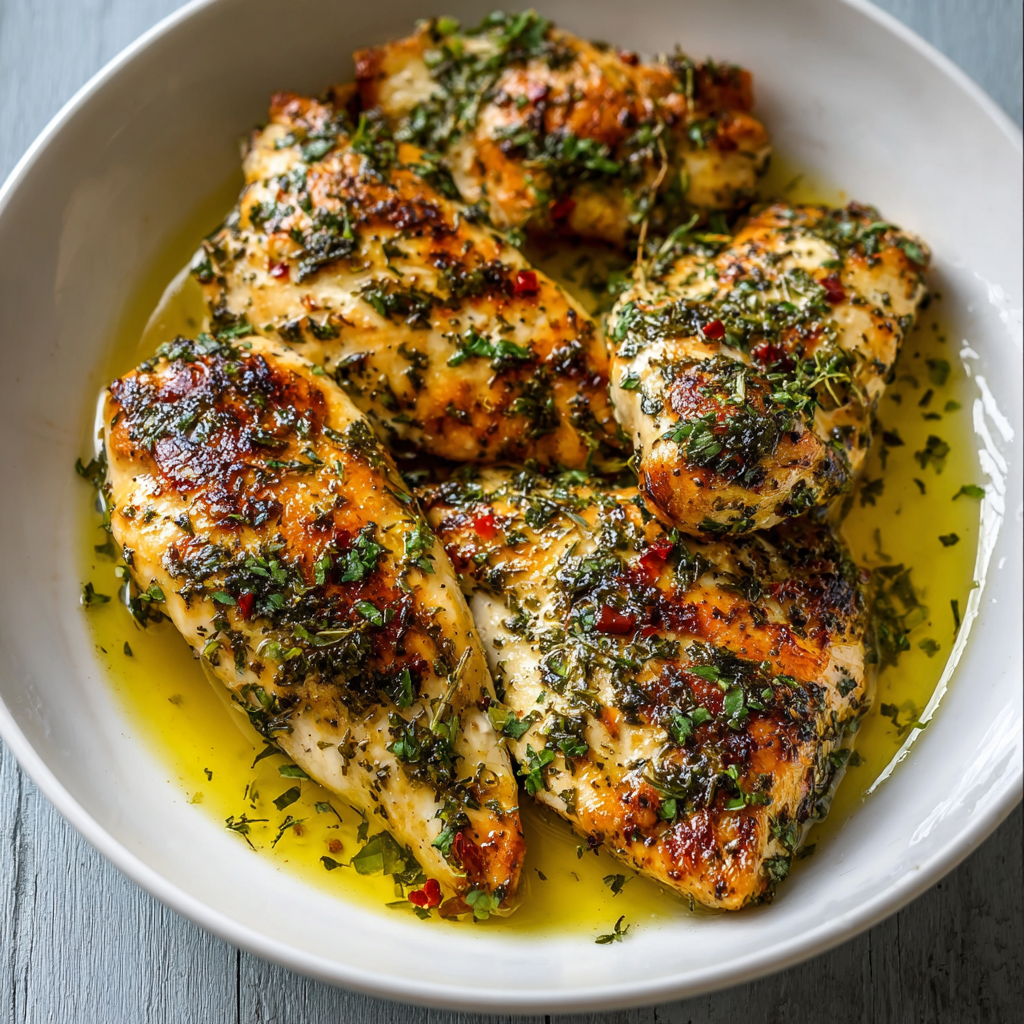
This Greek Chicken Marinade turns simple chicken into a flavorful celebration of Mediterranean tastes. With a blend of extra virgin olive oil, fresh lemon juice, garlic, oregano, and a touch of red wine vinegar, this marinade creates juicy, zesty chicken that is perfect for both everyday meals and special occasions. It’s quick to prepare and brings bright, layered flavors that stay with you long after the last bite.
I first made this marinade when craving something bright and simple for dinner, and it immediately became a go-to for family meals. The balance of citrus and herbs makes the chicken feel both light and indulgent.
Ingredients
- Extra virgin olive oil: provides a rich, fruity base that helps the marinade cling to the chicken while keeping it moist. Choose a high-quality oil for best flavor and health benefits.
- Fresh lemon juice: cuts through the richness with bright acidity and helps tenderize the meat for juicy results. Use fresh lemons whenever possible, not bottled juice.
- Minced garlic: infuses pungent warmth which is essential for that authentic Greek taste. Fresh garlic is best here for vibrant aroma.
- Red wine vinegar: adds a layer of tangy complexity that enhances the lemon’s brightness. Opt for a good quality vinegar to avoid harshness.
- Dried oregano: the defining herb that brings earthy, slightly bitter notes and aroma, key to Mediterranean flavor. Look for oregano that is fresh and fragrant.
- Salt: vital for seasoning and enhancing the interplay of all flavors. Use kosher or sea salt for even seasoning.
- Freshly ground black pepper: adds mild heat and sharpness to balance the marinade richness. Grind it fresh for maximum impact.
- Crushed red pepper flakes (optional): introduce a gentle kick if you like a little spice to wake up your palate.
- Fresh parsley (optional): chopped parsley adds a fresh, bright herbaceous note and a lovely splash of green color.
- Boneless skinless chicken breasts or thighs: thighs are juicier and more forgiving, breasts provide a leaner option. Both work well and soak up the marinade beautifully.
Step-by-Step Instructions
- Synthesize the Marinade:
- Whisk together olive oil, lemon juice, minced garlic, red wine vinegar, dried oregano, salt, black pepper, and optional crushed red pepper flakes in a medium bowl. Whisk until the mixture becomes smooth and well combined ensuring that oil and acids fully emulsify for even flavor distribution.
- Add Fresh Herbs:
- If using fresh parsley, stir it into the marinade now so that its bright green flecks are evenly distributed providing an extra fresh layer of flavor and an appealing look.
- Prepare the Chicken:
- Place chicken pieces in a resealable plastic bag or shallow non-reactive dish. Lay them out flat in a single layer to maximize surface contact with the marinade.
- Coat the Chicken:
- Pour the marinade over the chicken. Use your hands or a spatula to turn and coat each piece thoroughly making sure every nook is covered with the marinade for deep flavor infusion.
- Seal and Refrigerate:
- Seal the bag tightly or cover the dish with plastic wrap pressing gently to keep the chicken submerged. Refrigerate for at least one hour though overnight marinating delivers best tenderness and flavor depth.
- Drain and Discard Marinade:
- Before cooking, remove the chicken and let excess marinade drip away. Discard the used marinade, never reuse marinade that contacted raw chicken to ensure safety.
- Cook to Perfection:
- Grill, bake, or sear the chicken until it reaches an internal temperature of 165 degrees Fahrenheit or 75 degrees Celsius. This timing keeps the meat juicy while ensuring it is safely cooked.
- Rest Before Serving:
- Transfer cooked chicken to a clean plate or cutting board and rest for a few minutes. This rest allows juices to redistribute and results in tender, flavorful slices.
 Save Pin
The dried oregano is my favorite ingredient because it does so much of the heavy lifting flavor-wise. It’s not just an herb here but the spirit of Greece captured in one aromatic pinch. I remember a summer cookout where this marinade was a hit — the smoky charred edges mingled perfectly with fresh parsley sprinkled on top, bringing everyone back for seconds and thirds.
Storage Tips
Store leftover cooked chicken in an airtight container in the refrigerator for up to four days. Reheat gently to avoid drying out the meat. For longer storage, freeze the chicken in portioned bags for up to three months. Thaw in the fridge overnight before reheating. Extra marinade (unused) can be refrigerated in a glass jar for up to a week or frozen in ice cube trays for convenient future use.
Ingredient Substitutions
If you don’t have fresh lemon juice, a high-quality bottled lemon juice can work though it won’t be quite as bright. White wine vinegar can substitute for red wine vinegar maintaining acidity but with a lighter profile. Fresh thyme or basil can replace oregano but the flavor will shift away from the traditional Greek tang. For a milder garlic flavor use roasted garlic instead of raw minced.
Serving Suggestions
This chicken shines alongside a crisp Greek salad of tomatoes, cucumbers, olives, and feta cheese dressed with olive oil and lemon. Roasted vegetables like zucchini, bell peppers, and red onions provide sweet smoky contrast. Wrap slices in warm pita with shredded lettuce and a dollop of tzatziki sauce for a satisfying handheld meal. You can also pile it on a Mediterranean grain bowl with quinoa, fresh herbs, and toasted nuts for a hearty plate.
Pro Tips
- Whisk the marinade well until the oil and acid blend into a smooth emulsion for even flavor coating
- Don’t skip resting the cooked chicken so the juices redistribute and keep it juicy
- Marinate overnight if possible to deepen the flavors and tenderize the meat fully
Commonly Asked Questions
- → How long should I marinate the chicken?
For best flavor and tenderness, marinate chicken for at least 1 hour, though overnight yields deeper infusion of citrus and herbs.
- → Can this marinade be used for other meats or vegetables?
Yes, it works well with pork chops and hearty vegetables like eggplant or zucchini, enhancing their natural flavors with Mediterranean notes.
- → Should I discard leftover marinade after use?
Discard marinade that has been in contact with raw chicken to avoid any food safety risks; do not reuse it as a sauce without cooking thoroughly.
- → What cooking methods best suit this marinated chicken?
Grilling, baking, or pan-searing all suit this marinade well, allowing a beautiful char or caramelization while preserving juiciness.
- → Can I adjust the spice level?
Yes, easily modify heat by adding or omitting crushed red pepper flakes according to your preferred warmth.