
 Save Pin
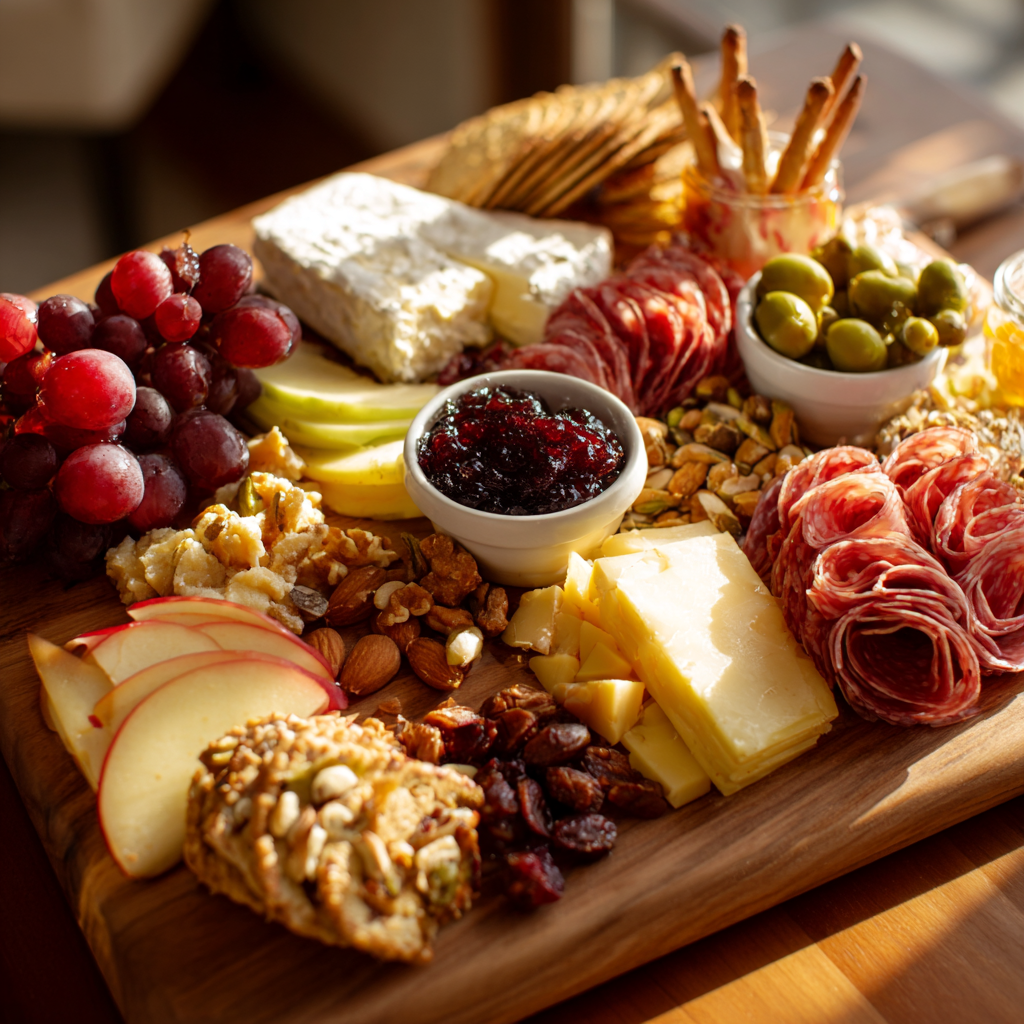
When you’re aiming to impress without spending hours in the kitchen, a well-crafted charcuterie board is your best bet. This no-cook, visually stunning spread brings together a variety of flavors and textures that work beautifully for everything from intimate wine nights to festive holiday gatherings. The great thing about charcuterie boards is their flexibility—they can be scaled up or down and easily customized to suit any taste or dietary need.
Overview
You’ll love how this board blends savory cured meats, creamy cheeses, fresh fruits, crunchy nuts, and a touch of sweetness from jams and honey for a balanced experience that’s full of contrast and color. I first put together a charcuterie board for a casual get-together, and it quickly became the star of the party with guests coming back for more because there’s something for everyone to enjoy.
I’ve found that taking a little time to arrange the ingredients thoughtfully makes all the difference and adds a special vibe to any occasion.
Ingredients
- Cured meats: such as prosciutto, salami, and soppressata provide salty, rich flavors and visual appeal; choose thinly sliced high-quality deli meats for best taste
- Soft cheeses: like brie and goat cheese creamy and spreadable; look for fresh, fragrant varieties with smooth textures
- Semi-soft cheeses: like havarti and gouda mild and versatile with a slight firmness; select well-aged options for deeper flavors
- Hard cheeses: including aged cheddar and manchego sharp and nutty elements that add complexity; opt for cheeses with natural rinds if possible
- Fresh fruits: such as apples and grapes bring sweetness, crunch, and vibrant colors; select firm, ripe produce for freshness
- Assorted crackers and breadsticks: act as bases for toppings; choose a variety of textures and flavors to complement the board
- Olives and pickles: deliver a briny tang to cut through richness; pick firm, flavorful olives and crunchy pickles
- Nuts: like almonds and pistachios add crunch and earthiness; buy raw or roasted unsalted nuts for best quality
- Honey and jams: for example fig or raspberry offer a sweet contrast that pairs wonderfully with cheeses; go for artisanal or small-batch options when available
Step-by-Step Instructions
- Start With Structure:
- Place small bowls or ramekins filled with jam, olives, and honey evenly spaced on a large wooden or slate board. This will anchor your arrangement and keep wet items contained for neatness.
- Add Cheese:
- Arrange your cheeses around the board with some whole blocks and some pre-sliced pieces for accessibility and visual interest. Place softer cheeses near the bowls with spreads to encourage pairing.
- Layer Meats:
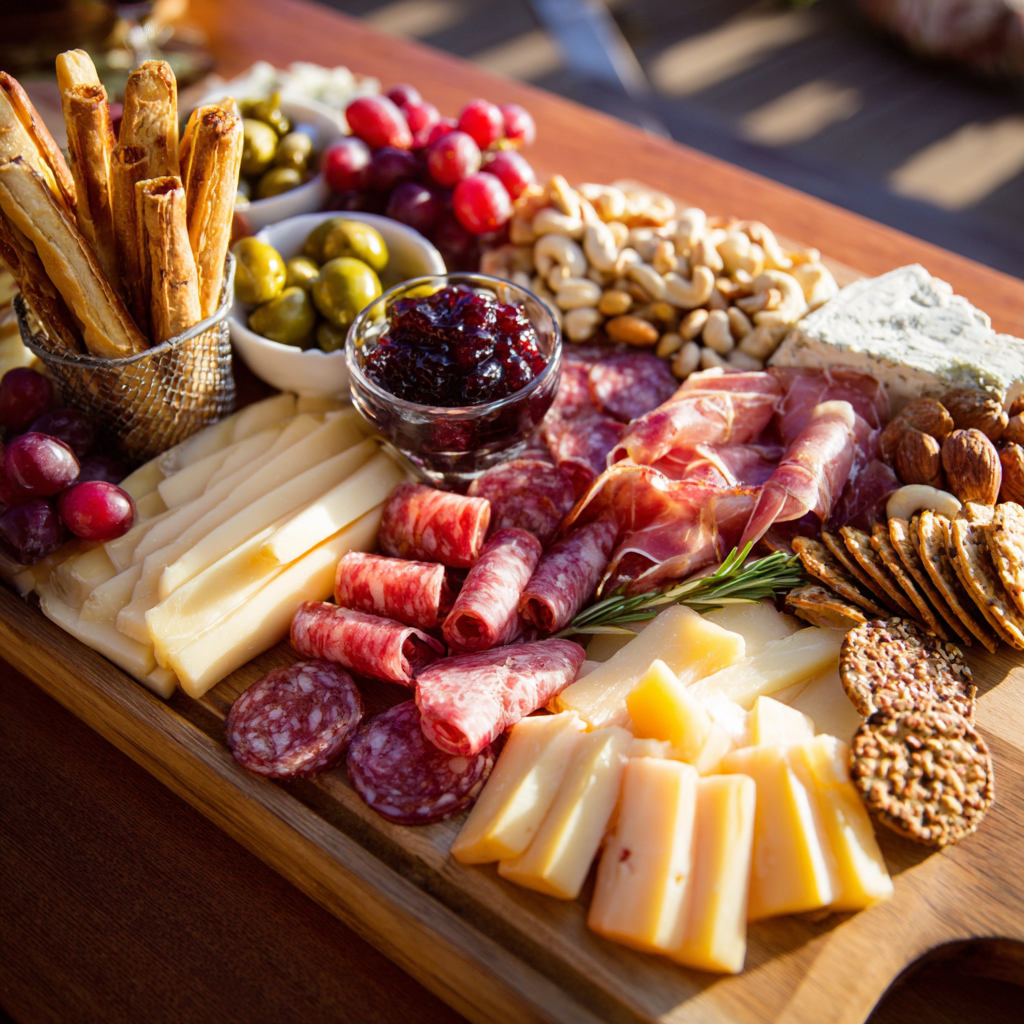
- Fold or roll your cured meats and nestle them adjacent to the cheeses. Slightly overlap the slices to create an abundant, inviting look that also makes it easy to grab different types.
- Fill In With Fruits and Nuts:
- Tuck apple slices, grapes, and nuts into gaps between the cheeses and meats. This breaks up the composition visually and adds delightful bursts of sweetness and crunch.
- Add Crackers Last:
- Place assorted crackers and breadsticks in the remaining spaces, fanning them out so they stay crisp and inviting. Avoid putting crackers near moist items to maintain their texture.
 Save Pin
I adore the combination of honey and fig jam with brie; it always reminds me of the first time I impressively pulled together a last-minute board to celebrate a friend’s promotion. Those simple ingredients elevated the whole spread and made the day feel extra special.
Storage Tips
If you have leftovers, wrap cheeses and meats separately in parchment or wax paper to maintain flavor and moisture, then store in airtight containers in the refrigerator. Fruits should be consumed within one to two days as they tend to lose freshness faster. Crackers keep best when stored outside the fridge in a sealed container to stay crunchy. Assemble fresh each time to keep the board looking and tasting its best.
Ingredient Substitutions
For a vegetarian or vegan twist substitute cured meats with marinated artichokes, roasted chickpeas, or stuffed peppers. Nut allergies can be accommodated by adding extra fruits or crunchy vegetables such as cucumber slices or snap peas. Swap honey and jams for fruit preserves or balsamic reductions to explore different flavor profiles without losing the sweet contrast.
Serving Suggestions
Pair your charcuterie board with a crisp white wine like Sauvignon Blanc or a light red such as Pinot Noir to complement the variety of flavors. Fresh sparkling water with lemon or herbal iced teas also make refreshing non-alcoholic options. Add simple garnishes like fresh herbs or edible flowers to elevate presentation further and give your board a professional look.
Cultural Context
Charcuterie originated from French culinary traditions, initially focusing on preserving meats through curing and smoking. Over time, it evolved into an artful appetizer featuring a harmonious balance of meats, cheeses, fruits, and accouterments designed for sharing and savoring. This communal style of eating encourages conviviality and makes casual gatherings feel festive and warm.
Pro Tips
- Toast nuts lightly before adding for enhanced crunch and deeper flavor
- Avoid overcrowding the board to prevent ingredients from blending together visually or flavor-wise
- Let cheeses rest at room temperature for twenty to thirty minutes before serving to maximize their creamy texture and flavor depth
Commonly Asked Questions
- → How much food do I need per person?
Plan for about 3 ounces each of cured meats and cheeses per person, plus a handful of crackers, fruit, and accompaniments to balance the plate.
- → Can I prepare the board in advance?
Yes, slice cheeses and fruits ahead and store ingredients separately in airtight containers; assemble right before serving to keep textures fresh.
- → What cheeses work best on the board?
Combine soft cheeses like brie and goat cheese with semi-soft options like havarti and gouda, plus aged hard cheeses such as cheddar and manchego for texture and flavor variety.
- → Are there vegetarian options for meats?
Definitely. Include marinated artichokes, stuffed peppers, hummus, or roasted chickpeas to add savory elements without meat.
- → How should I store leftovers?
Wrap leftovers separately and refrigerate; cured meats and cheeses can keep up to 3 days, while fresh fruit should be eaten sooner.
- → How to make a kid-friendly version?
Choose mild cheeses, add sliced turkey, mini pretzels, and fresh berries to appeal to younger palates.