
 Save Pin
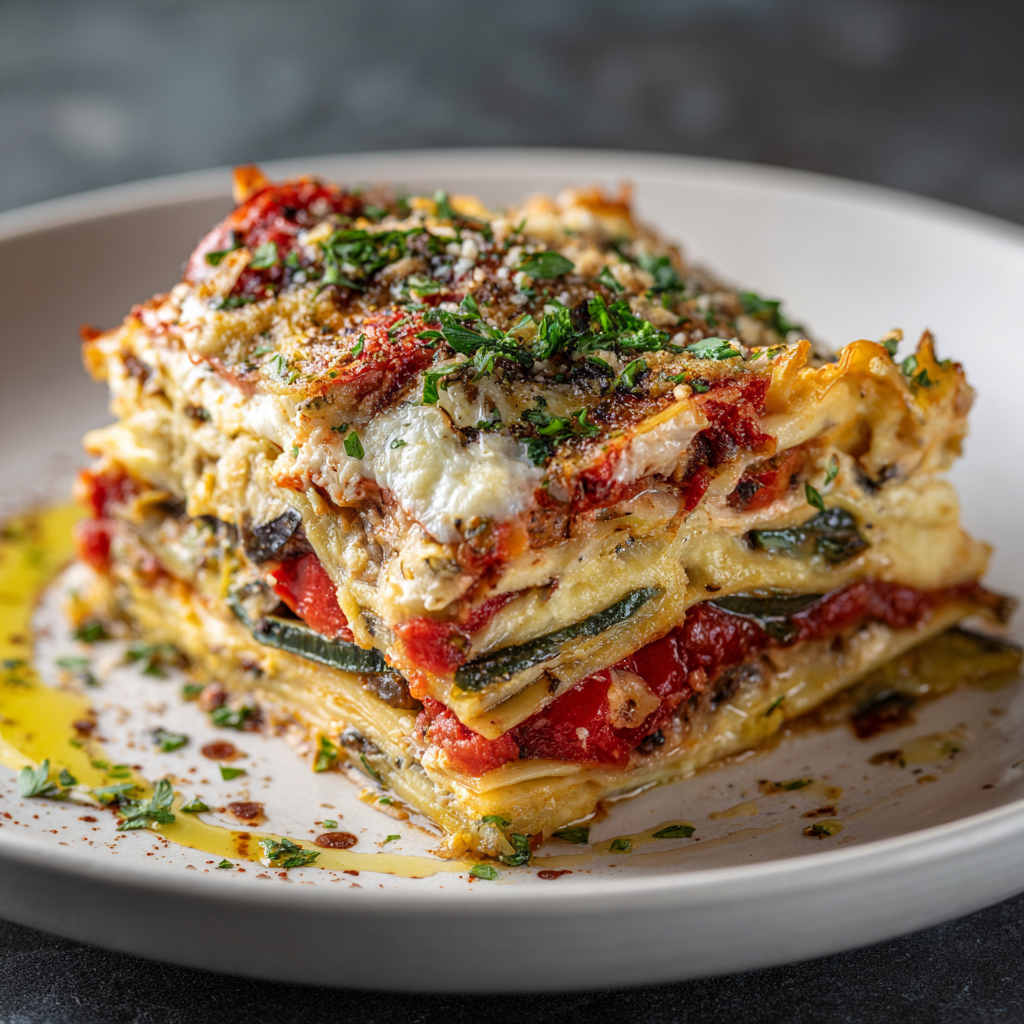
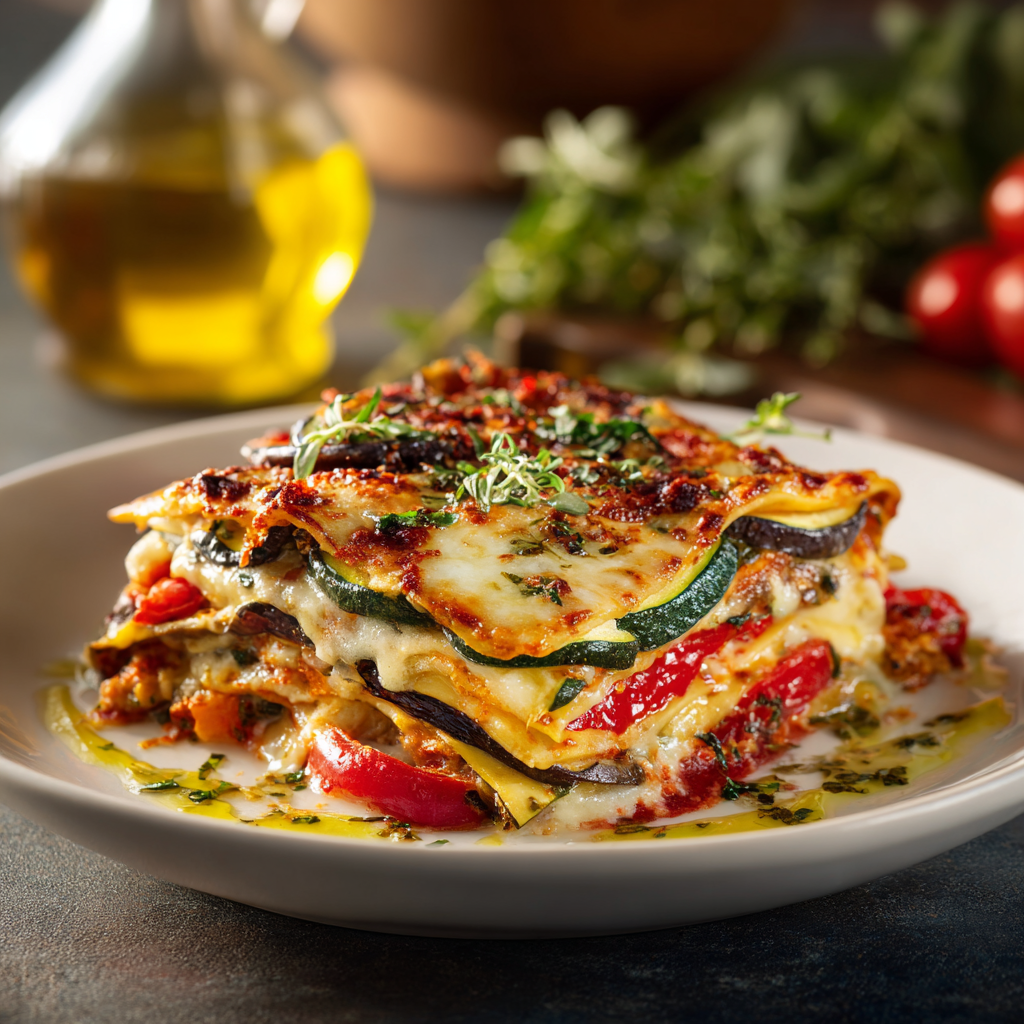
This layered Mediterranean vegetable lasagna delivers a bright and fresh take on a traditional favorite. It combines roasted zucchini, eggplant, peppers, and spinach with creamy ricotta and a robust herb-infused tomato sauce to create a meal that feels light but satisfying. Perfect for weeknight dinners, holiday feasts, or preparing ahead, this dish offers both comfort and wholesome nutrition.
I first made this recipe for a family gathering, and everyone appreciated the fresh flavors and the lighter feel compared to meat lasagna. Now it’s one of my go-to dinners when I want something hearty but not heavy.
Ingredients
- Zucchini: fresh and firm zucchini roasts beautifully, adding mild sweetness
- Eggplant: choose firm eggplant without bruises for best texture after roasting
- Bell peppers: vibrant colored peppers add sweetness and a touch of acidity
- Fresh spinach: adds verdant freshness and slight earthiness, packed with nutrients
- Ricotta cheese: smooth and creamy ricotta balances the vegetables and adds richness
- Egg: binds the ricotta and gives the mixture structure
- Crushed tomatoes: rich tomato sauce infused with herbs forms the flavorful base
- Olive oil: used for roasting vegetables and enhancing flavors, choose extra virgin for best taste
- Fresh basil and oregano: fragrant herbs delivering classic Mediterranean notes
- Thyme: adds subtle earthiness to the sauce and layers
- Nutmeg: pinch enhances the ricotta mix with warmth
- Salt and pepper: for seasoning that brings out all flavors
- Pasta sheets: use no-boil or fresh for ease and texture
Step-by-step instructions
- Roast the Vegetables:
- Slice zucchini, eggplant, and peppers into even pieces. Toss with olive oil, a good pinch of salt and pepper, then spread evenly on a baking sheet. Roast in a preheated oven at 400 degrees Fahrenheit until the edges are nicely caramelized and the vegetables soften but still hold some bite. This roasting step is crucial to deepen the flavor and prevent watery layers.
- Prepare the Ricotta Mixture:
- In a bowl, combine the ricotta cheese with an egg, chopped fresh basil, oregano, and a small pinch of nutmeg. Mix well so the ricotta is creamy and the herbs are evenly distributed. This mixture adds creaminess and a subtle savory tang that complements the roasted veggies.
- Assemble the Lasagna Layers:
- Lightly grease a baking dish. Spread a thin layer of tomato sauce on the bottom to prevent sticking. Arrange a layer of pasta sheets over the sauce. Add a generous layer of roasted vegetables, then spoon dollops of the ricotta mixture evenly over the vegetables. Pour more tomato sauce over the top. Repeat the layering process until the dish is full, ending with a layer of sauce on top for a nicely browned finish.
- Bake the Lasagna:
- Cover the assembled lasagna with foil and bake in a preheated oven at 375 degrees Fahrenheit for 30 minutes. Then remove the foil and continue baking for another 15 minutes until the top is bubbling and nicely golden. Covering the lasagna initially helps keep it moist and prevents the noodles from drying out.
- Rest and Serve:
- After baking, let the lasagna rest for at least 15 minutes at room temperature before cutting. This resting time lets the layers settle and makes slicing much cleaner. It also allows the flavors to meld beautifully.
 Save Pin
Roasting the vegetables is my favorite part of this recipe because it transforms them, bringing out their sweetness and adding lovely caramelized notes. I have fond memories of cooking this lasagna with family, each of us taking turns layering and sharing stories while the oven worked its magic.
Storage tips
Store leftover lasagna in an airtight container in the refrigerator for up to four days. To reheat, warm individual portions in the oven or microwave until heated through. This dish also freezes well. For best results, freeze in a tightly sealed container for up to three months. Thaw in the refrigerator overnight before reheating.
Ingredient substitutions
If you do not have fresh spinach, baby kale or Swiss chard work well as alternatives. Ricotta can be swapped for cottage cheese if you prefer a lighter option, but be sure to drain excess liquid first. No-boil pasta sheets can be replaced with your favorite type of lasagna noodles, just cook them according to package directions before assembling.
Serving suggestions
Serve this lasagna with a crisp green salad dressed with lemon and olive oil to add brightness. A side of crusty bread works well for soaking up the remaining sauce. For a heartier meal, offer roasted potatoes or a simple grain like quinoa on the side.
Cultural context
Mediterranean cuisine celebrates fresh, seasonal ingredients and simple preparations that highlight natural flavors. This vegetable lasagna combines Italian tradition with the wholesome abundance of Mediterranean produce and herbs, reflecting a philosophy of balanced, flavorful eating that has endured for centuries.
Commonly Asked Questions
- → Why should vegetables be roasted before layering?
Roasting caramelizes vegetables, enhancing their natural sweetness and reducing moisture to prevent sogginess in the layered dish.
- → What role does ricotta play in this dish?
Ricotta adds a creamy, mild tang that balances the robust flavors of roasted vegetables and tomato sauce without making the dish heavy.
- → Can the vegetable selection be varied?
Yes, the recipe is versatile and can adapt to seasonal produce, maintaining balance by roasting to develop flavor and texture.
- → How does layering affect the final dish?
Layering alternates textures and flavors, ensuring every bite delivers a harmony of creamy, savory, and tender roasted elements.
- → What is the best way to achieve neat slices when serving?
Allow the dish to rest for at least 15 minutes after baking to set layers, making slicing cleaner and portions neater.