
 Save Pin
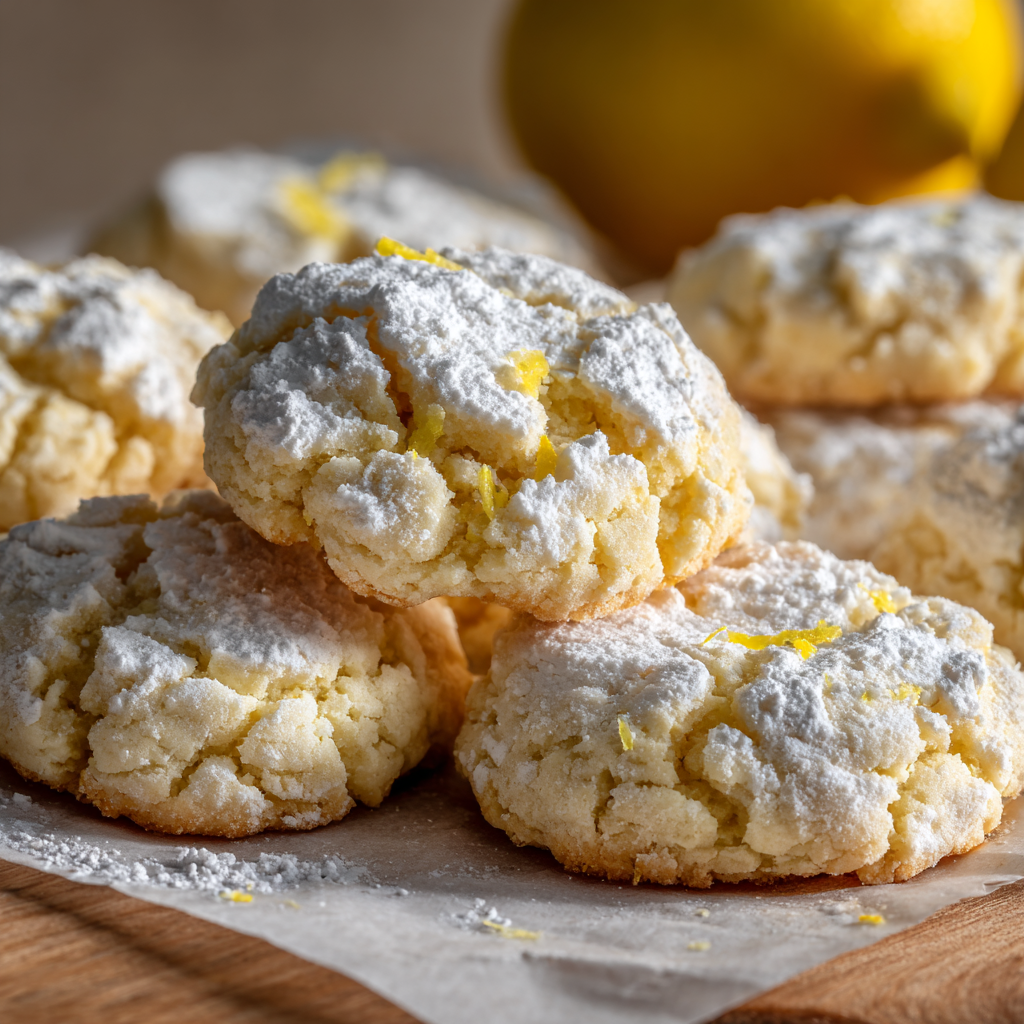
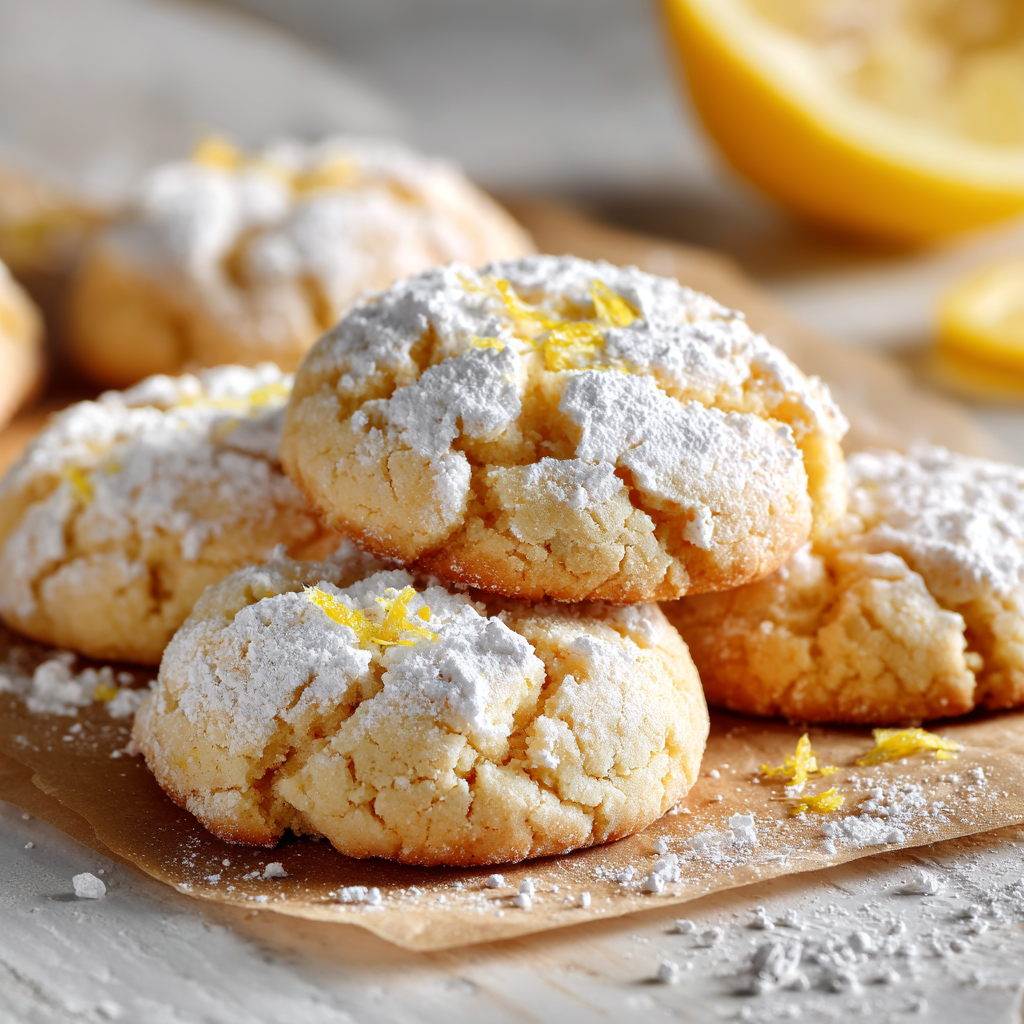
These Lemon Gooey Butter Cookies offer a soft, tender bite with an irresistible lemon zing that makes each cookie feel like a mini celebration. The combination of a rich buttery base with a bright pop of fresh lemon zest and juice creates a balance that is both refreshing and comforting. The crackled sugar tops add a delicate texture contrast, inviting you to savor every mouthful.
I first made these on a sunny afternoon and now they have become my go-to when I want a quick lemon treat that feels special. My family especially loves them with a cold glass of lemonade or afternoon tea.
Ingredients
- Lemon cake mix: from any reliable brand such as Betty Crocker or Duncan Hines provides structure and lemon flavor
- Unsalted butter, softened: adds rich creaminess and contributes to the gooey texture ensure it’s well softened for smooth mixing
- Cream cheese, softened: important for that luscious, moist base that keeps the cookies soft and tender
- Large egg: binds ingredients and helps create a light yet dense crumb
- Vanilla extract: enhances the overall flavor complexity
- Fresh lemon zest: offers a vibrant natural citrus aroma that bottled zest can’t match
- Fresh lemon juice: adds fresh acidity and brightness for a balanced flavor
- Powdered sugar for rolling: creates the signature crackled sugar topping and prevents sticking use fresh powdered sugar for best effect
Step-by-Step Instructions
- Sauté the Aromatics:
- Combine the softened butter and cream cheese in a large mixing bowl. Using an electric mixer on medium speed beat until the mixture becomes smooth and creamy with no lumps. This forms the rich, luscious base of your dough.
- Add the Flavor Boosters:
- Crack the egg into the bowl, pour in the vanilla extract, then add the fresh lemon zest and juice. Beat everything together until the mixture is homogeneous, light, and fluffy. This step ensures the lemon flavor is evenly distributed.
- Incorporate the Cake Mix:
- Slowly add the lemon cake mix while mixing on low speed to avoid a floury mess. Once mostly combined switch to a rubber spatula to scrape down the bowl sides and fold the dough until no dry mixture remains and it becomes soft and sticky.
- Chill the Dough:
- Cover the bowl with plastic wrap tightly and refrigerate for at least one hour. This firming step is essential because it helps the dough hold shape during baking and prevents over-spreading.
- Prepare for Baking:
- While the dough chills, preheat your oven to 350 degrees Fahrenheit or 175 degrees Celsius. Line a baking sheet with parchment paper to ensure cookies bake evenly without sticking.
- Shape and Sugar Coat:
- Use a small cookie scoop or tablespoon to portion the dough and roll each portion into a ball. Generously roll each ball in powdered sugar making sure it is fully coated for that signature crackled look and slight crunch on top.
- Bake to Perfection:
- Place the dough balls on the prepared baking sheet spaced about two inches apart. Bake in the preheated oven for 10 to 12 minutes until the edges appear set while the centers remain slightly underbaked. Remember the cookies will firm up as they cool so do not overbake or they will lose their gooey texture.
- Cool and Serve:
- Allow the cookies to rest on the baking sheet for five minutes before transferring them to a wire rack to cool completely. They are delightful warm or at room temperature paired with tea or a cool beverage.
 Save Pin
Storage Tips
Store cooled cookies at room temperature in an airtight container. To keep them moist, place a fresh slice of bread in the container with them. The bread helps maintain humidity without flavor transfer. For longer storage, freeze baked cookies in a single layer on a tray until firm, then transfer to a freezer-safe bag for up to two months. You can also prepare dough balls ahead, freeze them, and bake directly from frozen.
Ingredient Substitutions
If you cannot find lemon cake mix, you can use vanilla or white cake mix and add additional lemon zest and juice to boost flavor. For a dairy-free version, substitute cream cheese and butter with plant-based alternatives that have a similar consistency and fat content. To make it gluten-free, opt for a gluten-free lemon cake mix. Avoid substituting the lemon zest and juice with extracts unless necessary, as those do not provide the same fresh brightness.
Serving Suggestions
These cookies are fantastic alongside a cup of hot tea like Earl Grey or chamomile which complements the citrus. They make a charming addition to any spring or summer party platter, especially when paired with fresh berries or light citrus desserts. For a fun twist, serve cooled cookies with a dollop of whipped cream or a drizzle of white chocolate.
Pro Tips
- Room temperature butter and cream cheese are crucial for smooth mixing and soft cookies.
- Do not skip chilling the dough to control spreading and enhance texture.
- Watch carefully near the end of baking; overbaking will dry out the cookies and they will lose the gooey center.
Commonly Asked Questions
- → Can I substitute lemon extract for fresh lemon zest and juice?
Yes, but fresh zest and juice provide a brighter, more natural citrus flavor. Use 1 teaspoon of lemon extract for substitution.
- → Why is chilling the dough important?
Chilling firms the dough, making it easier to shape and preventing the cookies from spreading too thin during baking.
- → How can I keep the cookies soft after baking?
Store them in an airtight container with a slice of bread to retain moisture and keep them soft.
- → Can I use gluten-free cake mix for this?
Yes, using a gluten-free lemon cake mix will make these cookies suitable for gluten-sensitive diets.
- → What causes cookies to be flat?
Not chilling the dough enough or using a hot baking sheet can lead to flat cookies that spread too much.
- → Is it possible to make different flavors?
Definitely! Try swapping the lemon cake mix for strawberry, orange, or vanilla to create tasty variations.