
 Save Pin
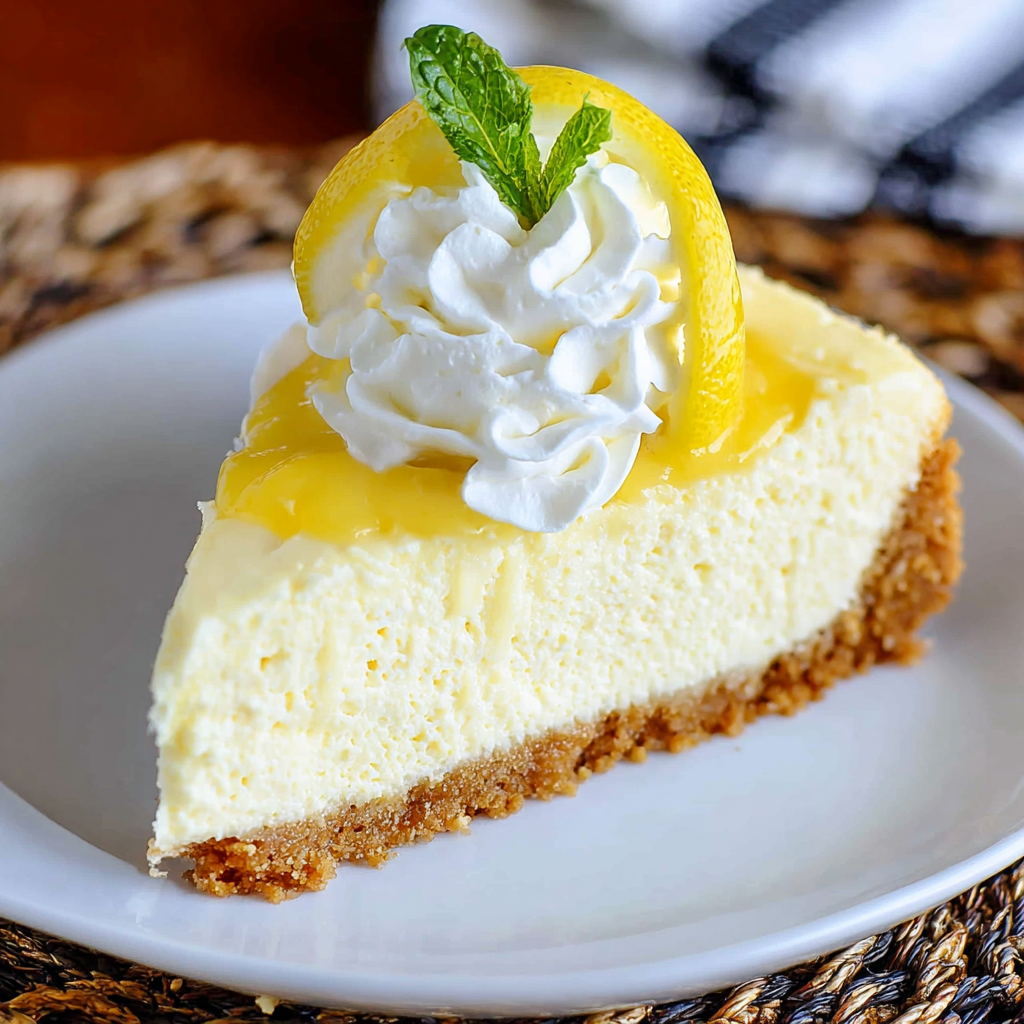
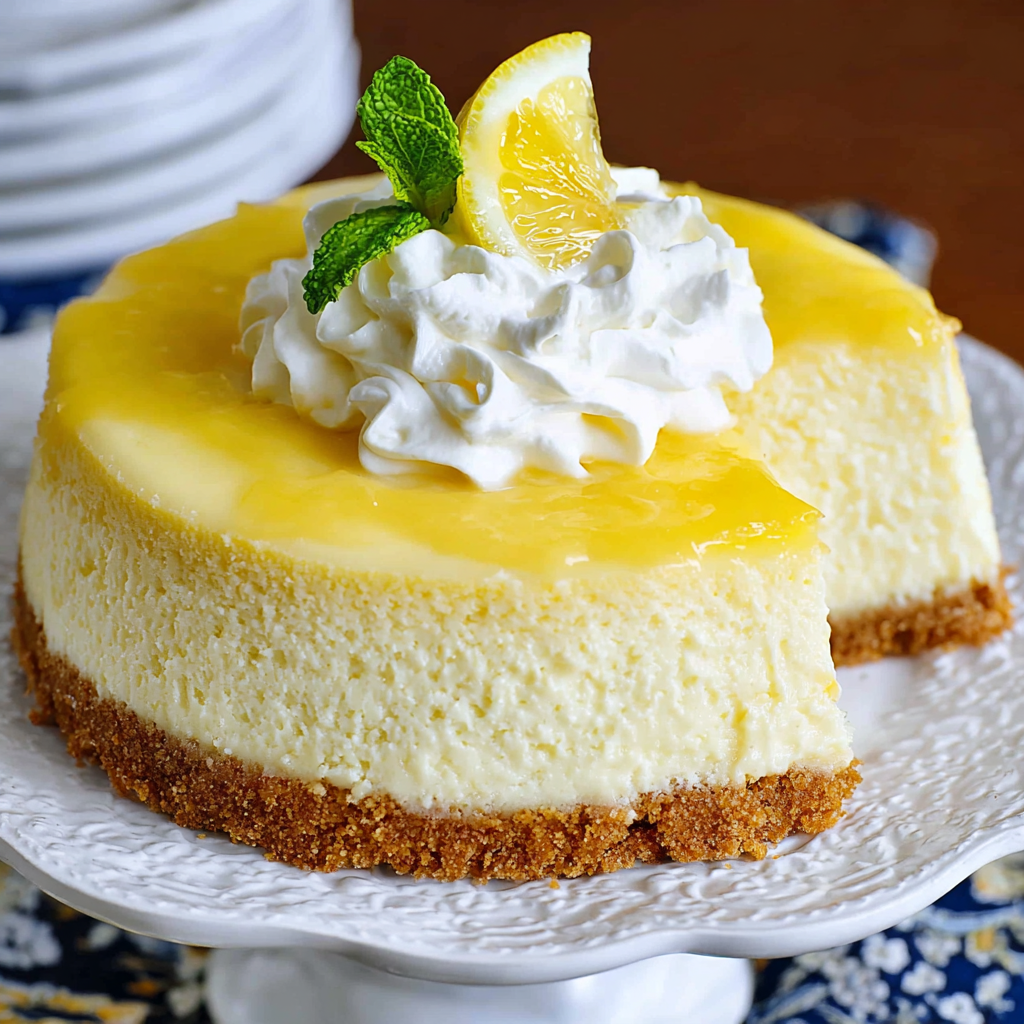
This lemon cheesecake is a dream dessert for citrus lovers. It blends a rich, velvety cream cheese base with the bright punch of fresh lemon juice and zest, all nestled in a classic graham cracker crust. The glossy layer of lemon curd on top adds extra depth and visual appeal, making this a stunning yet approachable dessert for any occasion.
I first made this cheesecake for a summer family gathering, and it quickly became the requested dessert at every celebration afterward. It’s one of those recipes that feels like a little sunshine on your plate.
Ingredients
- Graham cracker crumbs: two cups for a buttery, crunchy base that holds the crust together well
- Granulated sugar: a quarter cup to add sweetness to the crust and filling, choose fine granulated for even mixing
- Unsalted butter: half a cup melted to bind the crust ingredients without adding extra salt
- Cream cheese: thirty-two ounces softened for a smooth, creamy filling, full-fat varieties yield the best texture
- Granulated sugar: one cup to sweeten the cheesecake base evenly
- Large eggs: four eggs at room temperature help create a stable, luscious batter
- Vanilla extract: two teaspoons enhances the overall flavor with warm, mellow notes
- Fresh lemon juice: four tablespoons for bright citrus tang, freshly squeezed is key for authentic flavor
- Lemon zest: one tablespoon adds intense aromatic lemon oils, use a fine microplane or zester for best results
- Lemon curd: ten ounces for the glossy topping, buy high-quality store-bought or make homemade for extra freshness
- Whipped cream: for serving adds lightness and creamy contrast
Step-by-Step Instructions
- Preheat the oven:
- Set your oven to three hundred twenty-five degrees Fahrenheit one hundred sixty-three degrees Celsius. This temperature is gentle enough to cook the cheesecake evenly.
- Prepare the crust:
- In a medium bowl, mix the graham cracker crumbs, sugar, and melted butter thoroughly. Press this mixture firmly into the bottom and slightly up the sides of a nine-inch springform pan. This creates a sturdy base that holds up well to the filling. Refrigerate while preparing the next step.
- Make the cheesecake batter:
- Beat the softened cream cheese until completely smooth and creamy. Gradually add the sugar, scrapping down the sides to ensure even mixing. Add the eggs one at a time, blending well after each to keep the batter uniform. Stir in the vanilla, fresh lemon juice, and lemon zest just until combined for a balanced flavor. Avoid overmixing to prevent air bubbles that cause cracking.
- Prepare for baking:
- Wrap the outside of your springform pan tightly with heavy-duty foil. Pour the batter over the chilled crust and gently smooth the top with a spatula.
- Bake in a water bath:
- Place the springform pan inside a larger roasting pan. Pour hot water into the roasting pan until it reaches about halfway up the sides of the cheesecake pan. Reduce the oven temperature to three hundred degrees Fahrenheit one hundred forty-nine degrees Celsius and bake for ninety minutes. This water bath ensures gentle and even cooking without drying out the cheesecake.
- Cool and chill:
- When baking is complete, turn off the oven and leave the cheesecake inside with the door closed for one hour. This slow cooling helps prevent cracks by avoiding temperature shocks. Remove the cheesecake carefully from the water bath and allow it to cool to room temperature. Cover and chill in the refrigerator for at least eight hours, preferably overnight, to set fully.
- Add the topping:
- Gently warm the lemon curd until it is spreadable, then cover the chilled cheesecake with a smooth layer. Garnish with whipped cream just before serving for added richness and a pretty finish.
 Save Pin
I love using fresh lemon zest the most. Its fragrance fills the kitchen and adds a sunny brightness that bottled extracts simply cannot match. This cheesecake always reminds me of bright summer afternoons shared with loved ones, making any occasion feel special.
Storage Tips
Store leftover cheesecake in the springform pan or transfer to an airtight container in the refrigerator. Cover it well with plastic wrap to prevent drying out and odors from other foods. Best consumed within five days for optimal freshness and texture. To freeze, wrap slices or the whole cheesecake tightly in plastic wrap followed by a layer of aluminum foil to protect from freezer burn. Thaw overnight in the fridge for the best results without texture loss. Avoid reheating frozen cheesecake in the microwave, as it affects the creamy consistency negatively.
Ingredient Substitutions
For a gluten-free crust, swap graham crackers with gluten-free crackers or use almond flour mixed with melted butter for a nutty base. If fresh lemons are not available, Meyer lemons provide a sweeter, more floral citrus note. You can also substitute part of the lemon juice with orange or lime juice to create a unique citrus twist. For a different flavor profile on the crust, try adding a pinch of cinnamon or ginger.
Serving Suggestions
Serve with fresh mixed berries like blueberries and raspberries for a pop of color and balanced tartness. A drizzle of raspberry coulis or a side of lemon sorbet makes for an elegant presentation and palate cleanser. Sparkling lemonade or iced Earl Grey tea pairs beautifully with the cheesecake’s citrus theme. For celebrations, a glass of Prosecco or Champagne cuts through the richness and adds a touch of festivity.
Cultural Context
Cheesecake is a beloved dessert with roots traced back to Ancient Greece but has evolved worldwide into many variations. The lemon cheesecake version combines the classic creamy texture of New York-style cheesecake with the bright citrus flavors popular in Mediterranean cuisine. The use of lemon curd as a topping adds a fresh British-inspired element that brings sophistication and vibrancy to this timeless dessert.
Commonly Asked Questions
- → What creates the smooth texture in this lemon cheesecake?
Using room temperature cream cheese and eggs, combined with gentle mixing and baking in a water bath, produces a silky, crack-free texture.
- → Can bottled lemon juice be substituted for fresh lemon?
Fresh lemon juice and zest deliver a brighter, more vibrant citrus note than bottled juice, greatly enhancing flavor depth.
- → How can I avoid cracks during baking?
Bake the cheesecake in a water bath wrapped in foil to maintain moisture and regulate temperature, then cool it slowly in the oven.
- → Is it possible to prepare this with a gluten-free crust?
Yes, substituting gluten-free crackers or almond flour crusts works well while maintaining great texture and taste.
- → How long should this dessert be chilled before serving?
Chilling for at least 8 hours, preferably overnight, allows the filling to set firmly for smooth slicing and optimal flavor.
- → Can lemon curd be frozen when applied as a topping?
Lemon curd freezes nicely if fully set before freezing; thaw gently in the refrigerator to preserve texture and prevent smearing.